 Building Permits
 Employment
 Board of Directors
 First Nations
 Backyard and Landclearing Burning
No burning can occur when there is a fire ban.
WHEN CAN I BURN?
Ventilation IndexScroll to CNTRL VAN ISLD or call 1-888-281-2992. City of Port Alberni
- No outdoor burning is permitted in the City of Port Alberni.
- Campfires that are contained and up to 0.5 meter in height and width are permitted year round from dawn to 22:00 hours. Only firewood, branches and stems may be burned. If a fire ban is in effect then campfires are not allowed.
- Burning land clearing debris, construction debris and/or demolition debris is prohibited in the City of Port Alberni.
- Only burn when the ventilation index is "GOOD" and "GOOD" or "FAIR" for the following day.
- For more information on outdoor burning visit:
- You can sell, recycle, compost, chip or bring it to the landfill
- Tree branches (2¡¨ and under) and yard waste are accepted for free at the Landfill
 Ventilation Index
Scroll to CNTRL VAN ISLD or call 1-888-281-2992.
- Never burn household garbage, compostable organic materials, and manufactured materials
- Never burn any chemical or material including oil, tar, rubber, plastic, fertilize, construction/demolition waste, treated wood, grass, leaves, or other materials referred to as garbage or refuse.
- Only untreated natural wood and brush should be burned.
- No fire should produce heavy smoke or fumes that interferes with the normal use or enjoyment of life or property, or that endanger the health, safety, or welfare of persons. animals, plants, or property.
- Never burn any chemical or material including oil, tar, rubber, plastic, fertilize, construction/demolition waste, treated wood, grass, leaves, or other materials referred to as garbage or refuse.
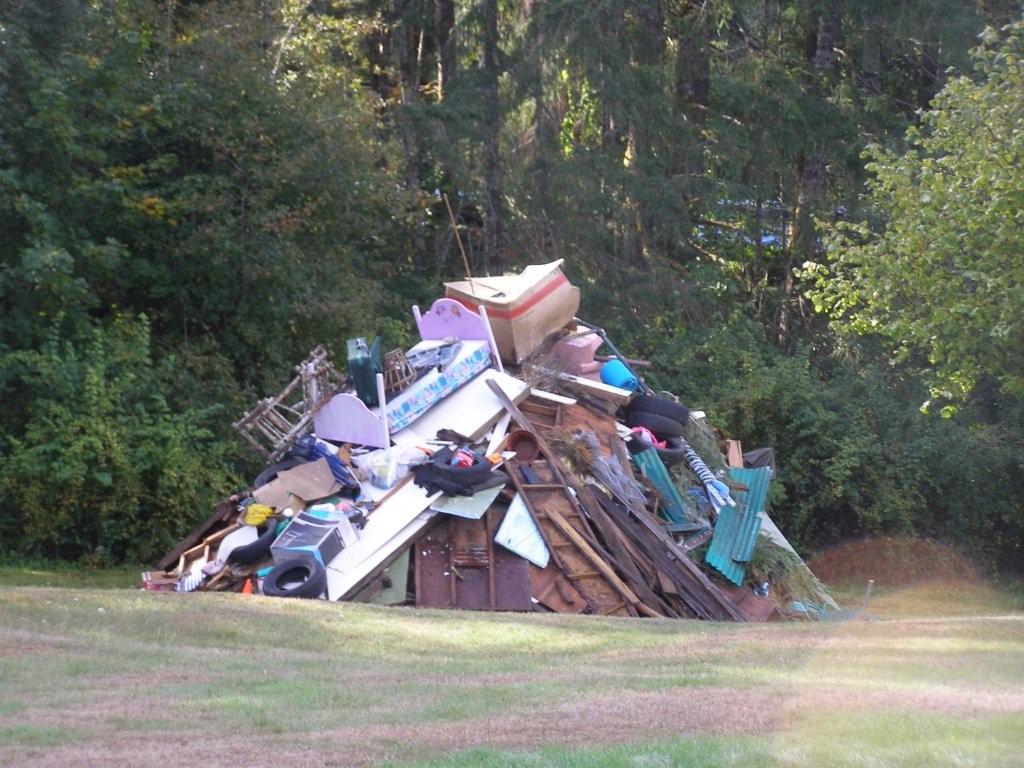
- Stack the pile so it has plenty of air to all parts of the pile. If it does not, you will notice excessive amounts of smoke.
- The fire should not be more than 3 metres (9.8 feet) in diameter and 2 metres (6.5 feet) in height. Fires larger than this require a registration number. Call 1-888-797-1717 to obtain one
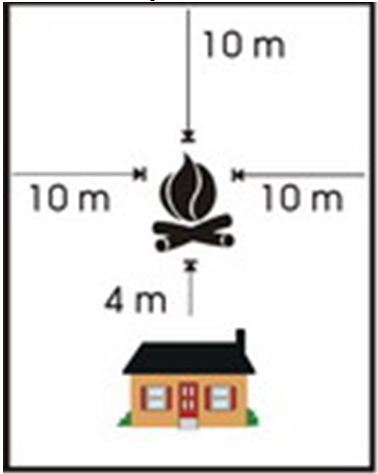
- Make sure the fire is 100 metres from neighbouring residences and businesses. 500 metres from schools in session, hospitals and facilities used for continuing care.
- A minimum of 8 litres of water or a functional garden hose that can reach and extinguish the fire is required
- Fires may only burn during daylight hours.
- HERE
- Only one hand piled fire per property permitted at a time.
- The fire should not be more than 2 metres (6.5 feet) in diameter and 2 metres (6.5 feet) in height.
- Burned material must be from the land where the fire is located.
- Proper fire-fighting equipment, including at least a shovel, rake and garden hose connected to a water source must be on hand and readily available in case of fire escape.
- Fires may only burn during daylight hours.
- Minimum fire set-back distances from hospitals, schools and other residences.
- Allowable times and frequencies for ignition, burning and smoke release.
- A list of prohibited materials including plastics, rubber, garbage, paint, treated wood, roofing materials and drywall.
- A burning prohibition unless the venting index is GOOD on the day of ignition, and GOOD or FAIR on the following day. To view the full OBSCR:
Open Burning Smoke Control Regulation COMPLAINT PROTOCOL Clean air is everybody's right and everybody's responsibility. If you see or experience unacceptable smoke pollution please report it. 1-877-952 RAPP is a central line where complaints are recorded and response is coordinated through Ministry of Environment Conservation Officers and/or Ministry of Natural Resources Compliance and Enforcement Officers. A call can actually end up making a difference in your neighbourhood. If you are in the City, local smoke problems should be reported to the City Fire Department. Persistent problems within the ACRD should be reported to the RAPP line 1-877-952 RAPP and brought to the attention of the Regional Board in writing.